

For true coffee enthusiasts, espresso is more than just a drink. It is a refined experience that highlights the depth and complexity of coffee beans. Choosing the best coffee for espresso can dramatically improve the flavor, aroma, and texture of every shot. Whether you enjoy a bold and intense profile or a smooth and balanced cup, understanding the essentials will help you unlock the full potential of your espresso.
The Importance of Bean Selection
The journey to great espresso begins with selecting the right beans. High-quality beans are essential because espresso brewing amplifies every detail of the coffee. Poor-quality beans often result in unpleasant bitterness or a flat taste, while premium beans deliver a rich and satisfying experience. Specialty-grade coffee is often the best choice, as it is carefully sourced and processed to preserve its natural characteristics.
Bean origin also plays a significant role in shaping flavor. Coffee from Brazil is known for its chocolatey and nutty notes, making it a popular choice for espresso blends. Ethiopian coffee offers bright and fruity flavors, while Colombian beans provide a balanced and slightly sweet profile. Exploring these origins allows espresso lovers to discover new and exciting tastes.
How Roast Level Shapes Espresso Flavor
Roast level is one of the most influential factors in espresso. Light roasts tend to highlight the natural flavors of the bean, often producing complex and vibrant notes. Medium roasts offer a balanced combination of sweetness and acidity, making them suitable for a wide range of preferences. Dark roasts, commonly associated with traditional espresso, deliver bold and smoky flavors with a heavier body.
Each roast level provides a unique experience, and experimenting with different options can help you find the perfect match for your taste. Understanding how roast affects flavor is key to choosing the right coffee for your espresso.
Freshness and Its Impact on Espresso
Freshness is a critical factor that many people overlook. Coffee beans begin to lose their flavor shortly after roasting, so using fresh beans is essential for achieving the best results. Fresh coffee produces a richer aroma, better crema, and more vibrant taste.
To maintain freshness, beans should be stored in an airtight container and kept away from light, heat, and moisture. Using beans within a few weeks of roasting ensures that you get the most out of your coffee.
Perfecting the Grind for Espresso
Grind size plays a crucial role in espresso extraction. A fine grind allows water to pass through the coffee at the right speed, extracting the full range of flavors. If the grind is too coarse, the espresso will be weak and under-extracted. If it is too fine, the result can be overly bitter and slow to pour.
Consistency is equally important. A uniform grind ensures even extraction, leading to a balanced and flavorful shot. Investing time in adjusting your grind size can greatly improve your espresso quality.
Mastering the Art of Brewing
Brewing espresso requires precision and consistency. Factors such as water temperature, pressure, and extraction time all influence the final result. A well-prepared espresso shot typically takes around 25 to 30 seconds to extract, producing a smooth and balanced flavor.
Preheating your machine and using filtered water can enhance the quality of your espresso. Consistent tamping ensures even extraction, preventing uneven flavors. With practice, these techniques become easier and more effective.
Understanding Espresso Flavor Complexity
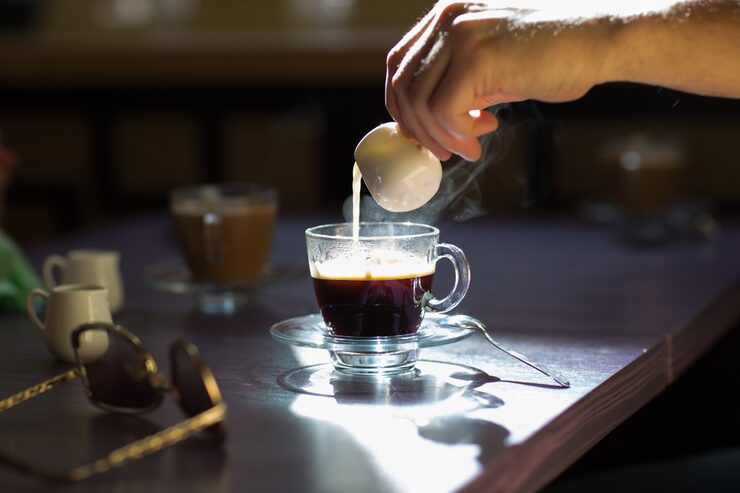
Espresso is known for its layered and complex flavor profile. A single shot can reveal notes of chocolate, caramel, fruit, or even floral tones. Learning to identify these flavors can deepen your appreciation for coffee and help you choose beans that match your preferences.
Using tools like the coffee flavor wheel can make it easier to recognize and describe these flavors. This approach allows you to explore coffee in a more structured and enjoyable way, enhancing your overall experience.
Why Specialty Coffee Is the Best Choice
Specialty coffee has become increasingly popular among espresso lovers because of its focus on quality and transparency. Platforms like jayarr.coffee provide detailed insights into coffee through scientific analysis and honest reviews, helping consumers make informed decisions.
Specialty coffee is carefully graded and sourced, ensuring a higher standard of quality. This results in cleaner flavors, better balance, and a more enjoyable espresso experience. Choosing specialty coffee also supports ethical and sustainable practices in the coffee industry.
Avoiding Common Espresso Errors
Even experienced coffee drinkers can encounter issues with espresso. Using stale beans can lead to a dull and lifeless shot. Incorrect grind size can disrupt the extraction process, resulting in unbalanced flavors. Uneven tamping can cause inconsistent water flow, affecting the overall taste. Paying attention to these details can significantly improve your results.
Proper Storage for Better Results
Storing coffee beans correctly is essential for preserving their flavor. Beans should be kept in an airtight container and stored in a cool, dark place. Exposure to air and light can quickly degrade the quality of the coffee. Avoid refrigerating beans, as this can introduce moisture and unwanted odors.
Conclusion
Choosing the best coffee for espresso is a rewarding process that combines knowledge and experimentation. By understanding the importance of bean quality, roast level, freshness, and grind size, you can significantly improve your espresso experience. Exploring different flavor profiles and using tools like the coffee flavor wheel will help you refine your taste and discover what you enjoy most. With the right approach, every cup of espresso can become a rich and satisfying experience.