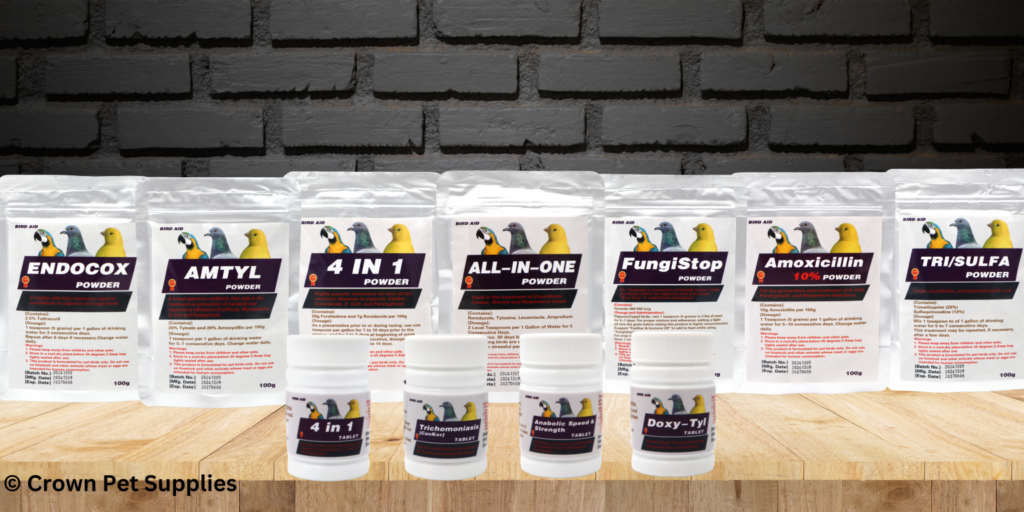

Keeping hens healthy is part science, part observation, and part gentle intervention. Complementing electrolytes for chickens with a tailored program of chicken vitamins gives your flock the resilience it needs to thrive — whether they’re backyard layers, free-range explorers, or part of a small commercial flock. While commercial feeds provide baseline nutrition, real-life stressors (heat, transport, molt, illness, or fluctuating forage) can create nutrient gaps. Targeted supplementation — especially hen vitamins formulated for layers and easy-to-administer electrolytes — restores balance quickly, supports immune function, and helps maintain egg quality and production.
The essentials: why electrolytes and vitamins matter
Birds are lightweight creatures with high metabolisms. That makes them efficient, but also sensitive to disruptions in hydration and nutrient supply. Electrolytes regulate fluid balance, nerve signaling, and muscle performance; vitamins act as cofactors in metabolic reactions, bolster immunity, and support tissue health. When combined, electrolytes for chickens and chicken vitamins form a frontline defense against the dips in performance and health that happen during stressful periods.
- Electrolytes: replace sodium, potassium, chloride (sometimes with added glucose) lost through panting, diarrhea, or reduced drinking.
- Vitamins: provide A (mucous membranes), D (calcium absorption), E (antioxidant protection), and B-complex (energy and recovery).
- Hen vitamins: specifically balanced for layers, often with extra calcium and phosphorus to support eggshell strength and bone health.
Using these tools correctly can reduce mortality in challenged flocks and, according to poultry studies and producer reports, increase egg yield — in some scenarios by up to 15% — when used as part of good husbandry.
When to supplement: timing and triggers
Not every flock needs continuous high-dose supplementation. Think of electrolytes and vitamins as targeted support rather than daily crutches — most flocks do best when supplements are used strategically.
Situations when supplementation is especially helpful
- Heat waves or high humidity: Heat stress increases water loss and disrupts egg production; electrolytes help hens rehydrate and maintain laying.
- Post-illness or antibiotic therapy: Medication and disease can reduce appetite; B-complex vitamins and electrolytes aid recovery.
- Molt: Feather regrowth demands nutrients; vitamins E and B-complex support the process.
- Transport or handling: Moving birds stresses them; short courses of electrolytes reduce shock and dehydration.
- Free-range or variable diets: For flocks that rely on foraging, seasonal changes in forage quality can create temporary vitamin gaps.
Use electrolytes for chickens primarily as short-term treatments mixed into drinking water for rapid uptake. Chicken vitamins can be administered either in water or feed, with hen vitamins tailored for layers often delivered as periodic top-ups or mixed into feed during high-need periods.
Choosing the right products and administering safely
Not all supplements are created equal. Quality matters, and formulation matters even more.
Practical selection and dosing tips
- Form factor: Liquid electrolytes and vitamins dissolve quickly in water and are ideal for immediate correction. Powders are convenient for feed mixing and longer-term maintenance. Choose what suits your management: liquids for acute events, powders for routine support.
- Layer formulas: For laying hens, select hen vitamins labeled for layers; they typically include higher calcium and phosphorus or are intended to be used alongside free calcium sources (oyster shell).
- Follow directions: Concentration and dilution instructions are there for a reason. Overdosing certain vitamins or minerals can cause imbalances. Always adhere to manufacturer guidelines.
- Short, targeted courses: Electrolytes are most effective when used for a few days during stress rather than as a constant additive. Some vitamin programs benefit from periodic dosing rather than continuous high levels.
- Palatability: Many good supplements are flavored or formulated to be palatable so even picky birds will drink medicated water. This is important during heat stress or illness when voluntary intake may fall.
Keep supplements in a cool, dry place and rotate stock as recommended to maintain potency. Good brands often list guaranteed analysis and poultry-specific dosages — prefer those over vague “all-natural” labels that don’t detail nutrient levels.
What to expect: benefits and realistic outcomes
Supplementation is an enhancement to good husbandry — not a replacement for it. When used appropriately, electrolytes for chickens and chicken vitamins can produce measurable benefits:
- Faster recovery from dehydration and digestive upset.
- Reduced egg-laying drops during and after heat stress.
- Improved eggshell quality and fewer soft-shelled eggs in laying flocks when calcium and vitamin D status are supported.
- Better feather regrowth during molt with B vitamins and vitamin E.
- Lower stress-related mortality in challenged flocks.
A note of realism: dramatic overnight cures are rare. Improvements are usually additive and more pronounced when supplements are paired with clean water, balanced feed, proper ventilation, predator-safe housing, and biosecurity.
Integrating supplements into a holistic flock plan
Supplements shine when they are part of a broader plan: routine health checks, clean water availability, access to grit and calcium sources, and observation for early signs of disease. For laying birds, offering free-choice calcium (oyster shell) alongside hen vitamins lets hens self-regulate mineral intake for eggshell formation. For free-range operations, periodic vitamin top-ups can smooth out the nutritional variability of foraging.
Keep records: note when you gave electrolytes or vitamins and any changes in egg production, shell quality, or bird behavior. Over time, this log helps you spot patterns and optimize timing.
Conclusion
Electrolytes for chickens combined with thoughtfully chosen chicken vitamins are powerful allies in maintaining a healthy, productive flock. Used judiciously — as short-term corrections during heat, illness, or stress, and as strategic support for layers and molting birds — these supplements can improve recovery time, increase egg consistency, and contribute to overall flock resilience. Pair supplementation with strong husbandry practices, choose poultry-specific formulations, and follow dosing instructions for the best results. With a small investment in the right electrolytes and hen vitamins, you’ll give your birds a steadier path to robust health and reliable egg production.