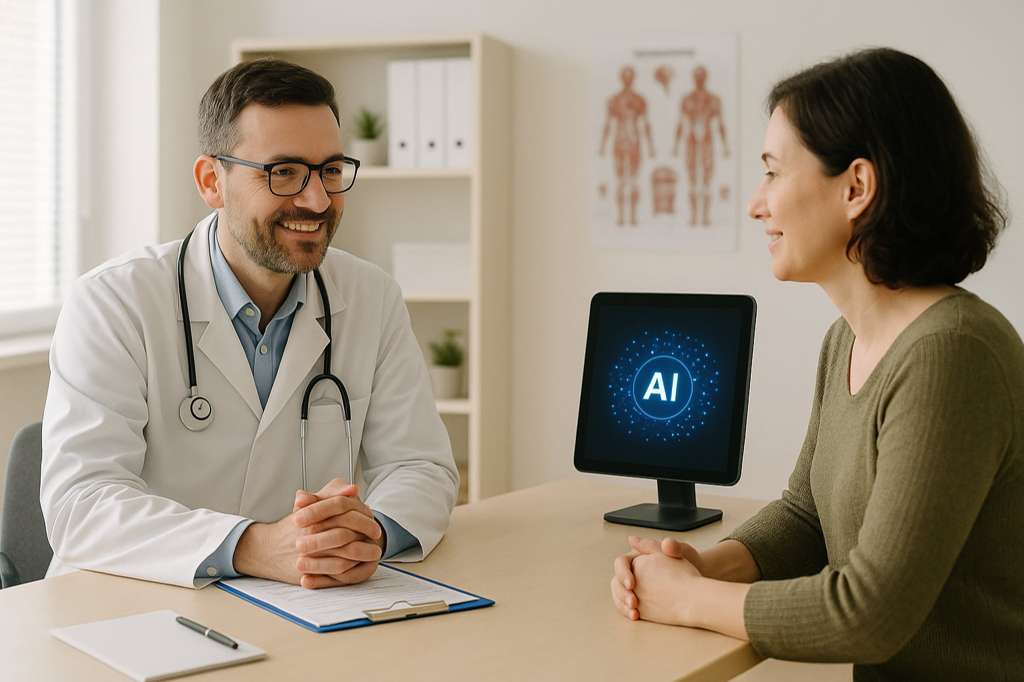

Healthcare professionals today are constantly balancing patient care with administrative responsibilities. Documentation, while essential, often consumes valuable time that could otherwise be spent with patients. This is where modern digital solutions step in to transform workflows. Among these innovations, medical scribe software has emerged as a gamechanger, helping clinicians streamline documentation while improving accuracy and efficiency.
Why medical scribe software Is Revolutionizing Healthcare
The growing demand for efficiency in healthcare has pushed providers to adopt smarter solutions. Medical scribe software Automates and assists in real-time documentation, allowing physicians to focus more on patient interaction rather than typing notes.
Unlike traditional methods, these systems often integrate with Electronic Health Records (EHR), capturing patient data seamlessly during consultations. This not only reduces manual errors but also ensures that records are updated instantly.
Another key advantage is improving physician satisfaction. Burnout caused by excessive paperwork is a real concern, and by minimizing documentation burdens, healthcare professionals can enjoy a more balanced workflow. Patients also benefit from better engagement, as doctors are no longer distracted by screens and keyboards.
Key Features That Make a Difference
When choosing a documentation solution, understanding its features is essential. The best tools go beyond basic transcription and offer intelligent assistance.
How medical scribe software Enhances Daily Practice
From small clinics to large hospitals, this technology adapts to various healthcare environments. Its flexibility and ease of use make it suitable for multiple specialties.
Here’s what makes it truly valuable:
- Real-time voice recognition and transcription for faster notetaking
These systems can also learn physician preferences over time, ensuring that documentation matches individual styles. Advanced solutions even include AI-driven suggestions, helping clinicians maintain compliance and completeness in their records.
Additionally, cloud-based access allows healthcare providers to review and update notes anytime, anywhere. This level of convenience supports better coordination among care teams and improves overall patient outcomes.
Improving Accuracy and Compliance
Accurate documentation is critical in healthcare, not only for patient care but also for legal and regulatory purposes. Manual entry increases the risk of errors, which can lead to complications down the line.
With intelligent automation, documentation becomes more consistent and reliable. The software can flag missing information, suggest corrections, and ensure that records meet industry standards. This reduces the likelihood of claim denials and enhances the quality of patient data.
Moreover, secure systems are designed to comply with healthcare regulations, protect sensitive information, and maintain patient confidentiality.

The Human Touch Still Matters
While technology plays a vital role, it doesn’t replace the human element in healthcare. Instead, it enhances it. By reducing administrative tasks, clinicians can focus on building stronger relationships with their patients.
Better communication leads to improved trust, which is essential for effective treatment. When doctors are fully present during consultations, patients feel heard and valued. This ultimately contributes to higher satisfaction and better health outcomes.
Conclusion
The healthcare industry is evolving rapidly, and adopting innovative tools is no longer optional—it’s necessary. Medical scribe software offers a powerful solution to one of the most pressing challenges in clinical practice: documentation overload.
By improving efficiency, accuracy, and patient engagement, this technology empowers healthcare providers to deliver better care without compromising their well-being. As more practices embrace digital transformation, the future of clinical documentation looks not only smarter but also more human-centered.